

Many coastal visitors enjoy driving on UK beaches because they allow direct access to the shoreline without a long walk from distant parking areas. These beaches can be found in different parts of Britain and offer a mix of natural scenery, open sand, wildlife, and family recreation. While driving on sand is not possible everywhere, several locations still provide this unusual experience under specific local rules.
Popular UK Drive–On Beaches
Several beaches around Britain permit vehicle access to designated areas. These places combine coastal beauty with practical access.
Black Rock Sands in North Wales
Black Rock Sands, located near Porthmadog, stretches for almost three miles along the coast. The beach contains large sandy areas mixed with rocky sections and is backed by dunes that support important wildlife habitats.
Visitors often come to explore rock pools, small caves, and wide–open views toward the mountains of Snowdonia. During warmer months, lifeguards may supervise bathing zones. The beach is also known for its spacious layout, allowing many visitors to spread out comfortably across the shoreline.
Pendine Sands in South Wales
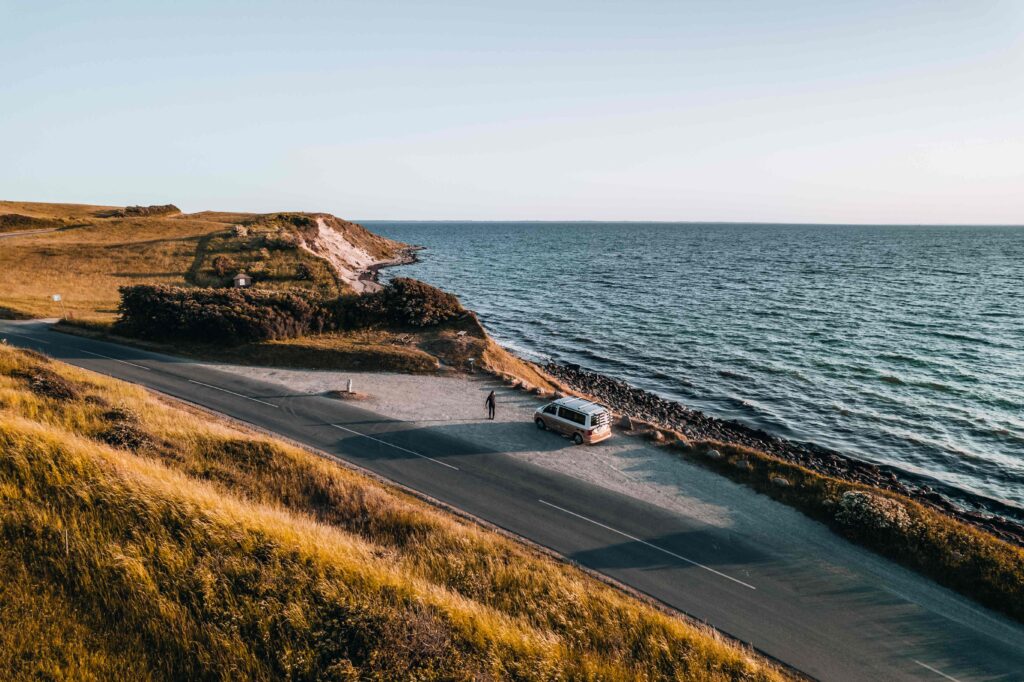
Pendine Sands has a long connection with vehicle activity because of its flat and firm sand surface. The beach extends along Carmarthen Bay and offers impressive coastal scenery surrounded by green hills.
Many visitors enjoy walking, boating and wildlife observation. Seals and dolphins are sometimes visible offshore, while clear days can provide excellent views across the bay. Vehicle access is limited to approved sections of the beach to help protect both visitors and the natural environment.
Ynyslas Beach in Ceredigion
Ynyslas Beach lies close to the mouth of the River Dyfi and forms part of an area known for its extensive dune systems. The nearby nature reserve attracts people interested in coastal ecology and birdlife.
The beach provides wide sandy spaces and attractive views across the estuary. Strong currents exist near some parts of the shoreline; therefore, swimming is not recommended in certain areas. Visitors often spend time walking through the dunes or searching for shells carried in by the tide.
The following features make Ynyslas notable:
- Extensive dune landscapes
- Protected natural habitats
- Estuary viewpoints
- Opportunities for shell collecting
Family Friendly Coastal Destinations
Some drive–on beaches are especially popular among families because they combine beach access with nearby attractions and facilities.
Southport Beach in Lancashire
Southport Beach is situated close to a traditional seaside resort. During the main holiday season, motorists may access designated parking areas on the sand.
The beach becomes very busy during summer because many attractions are located nearby. Visitors can easily reach amusement rides, arcades, cafés, and the historic pier. At low tide, the distance between the promenade and the water can exceed two miles, creating a huge area of exposed sand.
Although the beach may not offer complete quietness, it remains one of the best known family destinations on England’s northwest coast.
Brean Beach in Somerset
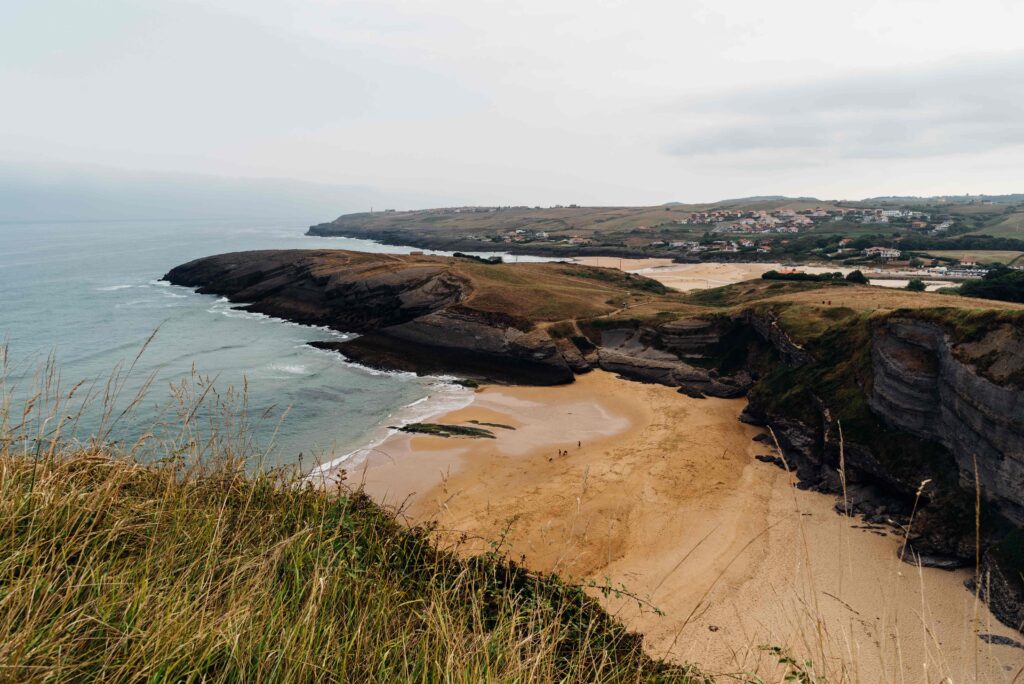
Brean Beach extends for around seven miles and forms one of the longest sandy coastal stretches in the region. The landscape includes dunes, open sand, and extensive tidal zones.
At low tide, large mud flats become visible. Local safety guidance advises visitors not to walk too far into these areas because the ground can become unstable. The beach remains popular with walkers, dog owners, and people interested in outdoor sports.
Facilities are generally available nearby, making Brean a convenient location for longer beach visits.
Why Driving on Beaches Remains Popular
Driving on beaches still draws visitors because it’s a different way to see the coast. It is easier to have equipment, food, seating and shelter on a beach day, and it makes the day more comfortable, especially if you have a larger group of people.
These places also give a sense of freedom that is rare in many modern seaside destinations. Instead of carrying belongings over long distances, visitors can remain close to their vehicle while enjoying sea views and open space.
Every beach has its personality. Some are famous for wildlife, some for family attractions, and some for dramatic natural scenery. Together they form a small but intriguing part of Britain’s coastal heritage. If you follow local rules and safety guidance, these beaches can provide people with unforgettable experiences when exploring the coast by car.