
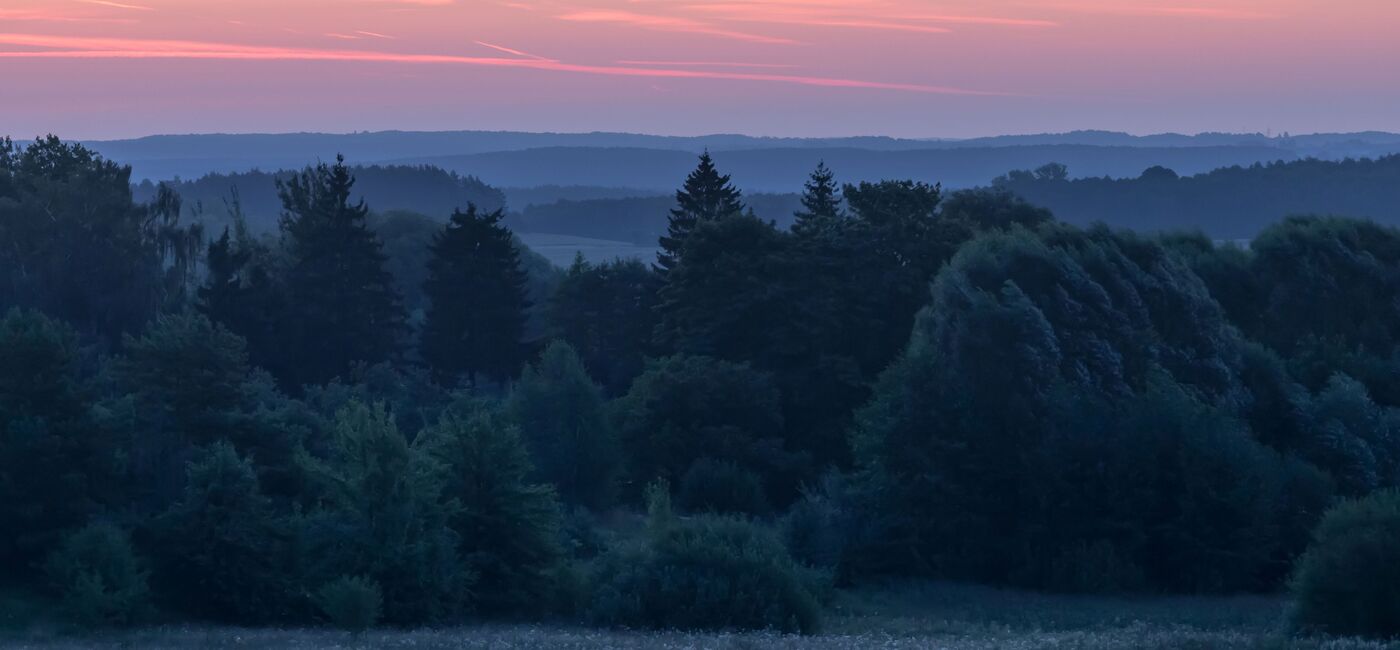
At RSPB Coombes Valley you’ll find woodland scenery, wildlife watching, and outdoor exploration. The reserve is set in a valley environment amongst trees and natural habitats and combines walking trails with educational elements to help people experience nature from a range of angles. One of its more unusual features is the treetop walk that allows visitors to walk through the woodland canopy above the forest floor.
Exploring RSPB Coombes Valley
The reserve is known for its woodland landscape, its diverse terrain, and its protected habitats. There are walking routes through different parts of the valley, and the views change throughout the year.
The changing landscape with the seasons can be seen by visitors. In spring, woodland flowers and fresh leaves, in summer, dense green canopies above the paths. In the fall, the leaves change color, and in the winter, you can see more of what’s beyond the trees.
Many trails follow the natural contours of the valley. Some areas can be steep, so good footwear is a must in wet weather. The changing terrain also provides different viewing points for visitors to look out over the surrounding woodland.
Several features contribute to the reserve’s popularity:
- Woodland trails through natural habitats.
- Elevated viewing areas among the trees.
- Seasonal displays of wildflowers.
- Opportunities for wildlife observation.
The mixture of natural scenery and interactive elements makes the reserve appealing to visitors of different ages.
The Treetop Walk Experience
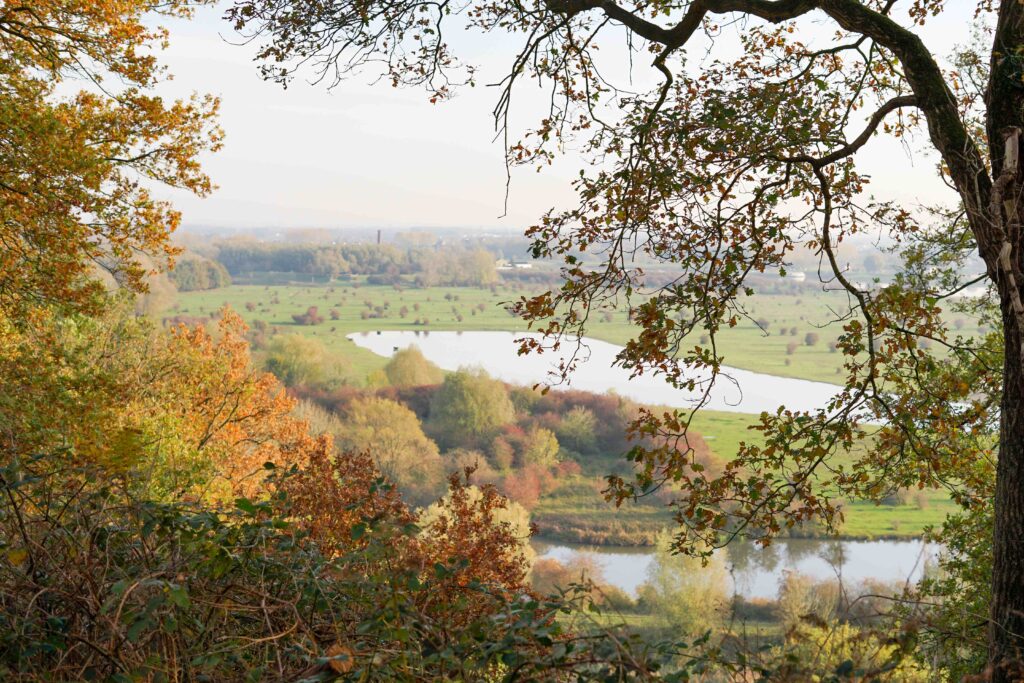
One of the best–known attractions in Coombes Valley is the treetop walk. This raised structure gives visitors the opportunity to walk amongst the trees and see the woodland environment from a different viewpoint.
The walkway is not like regular walking trails; it gets people closer to the upper parts of the forest. From this vantage point, visitors can observe branches, leaves and bird activity that may be hard to pick up from ground level. The sensation of being above the forest floor is often a memorable experience, especially for younger visitors.
Suspended walkways also help to demonstrate how woodland habitats are at different levels. Most animals live close to the ground, but some rely on the canopy for food, shelter, and nesting sites.
The design is to make the structure as unobtrusive as possible to the surroundings. Using this approach, visitors can feel immersed in nature rather than separated from it.
Family Activities Along the Trails
Coombes Valley includes several features that encourage exploration and discovery. Families often find that the reserve offers more than a simple walking route.
Along the trails, visitors can find different interactive elements for children. Observation points, nature structures and small play features make the walk more interesting. Children often stop at these places and pay more attention to things around them. This creates more connection with the natural environment during the visit.
Woodland dens are especially popular. Children use branches, leaves and other natural materials while playing. Natural play spaces also give opportunity for imagination and simple outdoor activities. Some areas include elevated lookouts. From there, the landscape can be seen from different angles, and more woodland becomes visible.
Wildlife and Woodland Habitats
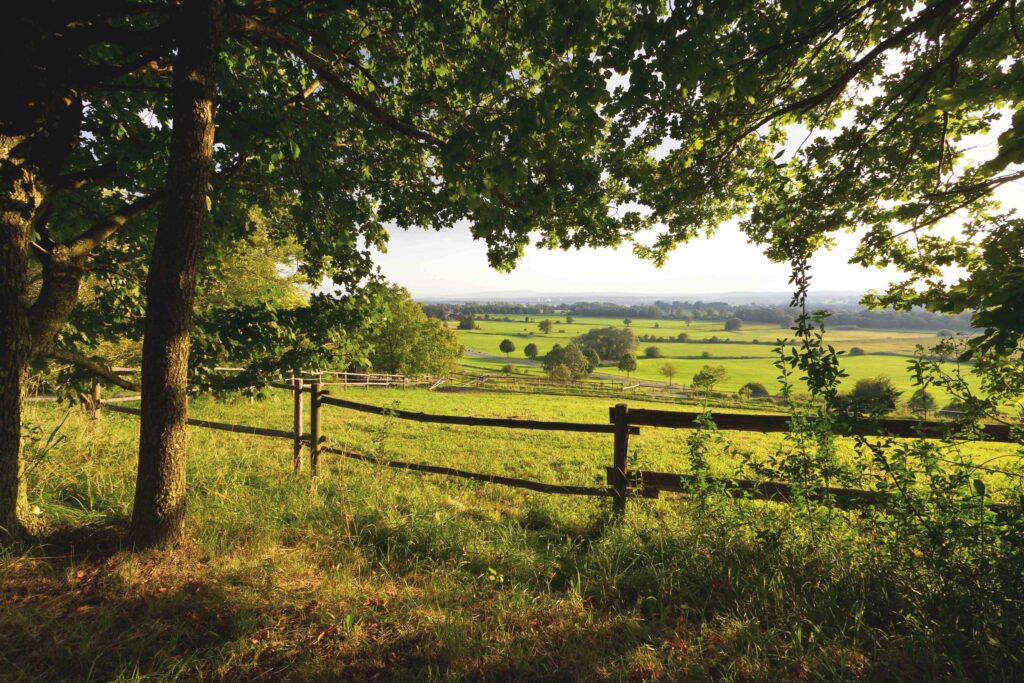
The reserve has many woodland habitats supporting a variety of wildlife species. Many animals and plants find conditions in trees and shrubs, streams, and open clearings.
Birdlife is an important aspect of the ecological worth of the area. Throughout the year the woodland is used by many species for food, nesting, and shelter. In the spring and early summer, a visitor will often hear birds singing before he sees them.
Besides the birds, the reserve is home to many plant species, insects, and small mammals. Fallen logs and decaying wood provide a home for insects and fungi that have important roles in the ecosystem.
In warmer months seasonal flowers add color to the woodland floor. Bluebells are some of the most familiar spring plants in British woods, and when conditions are right, can put on a spectacular display.
The variety of habitats aids in ecological balance and supports many forms of life in a comparatively small area.