
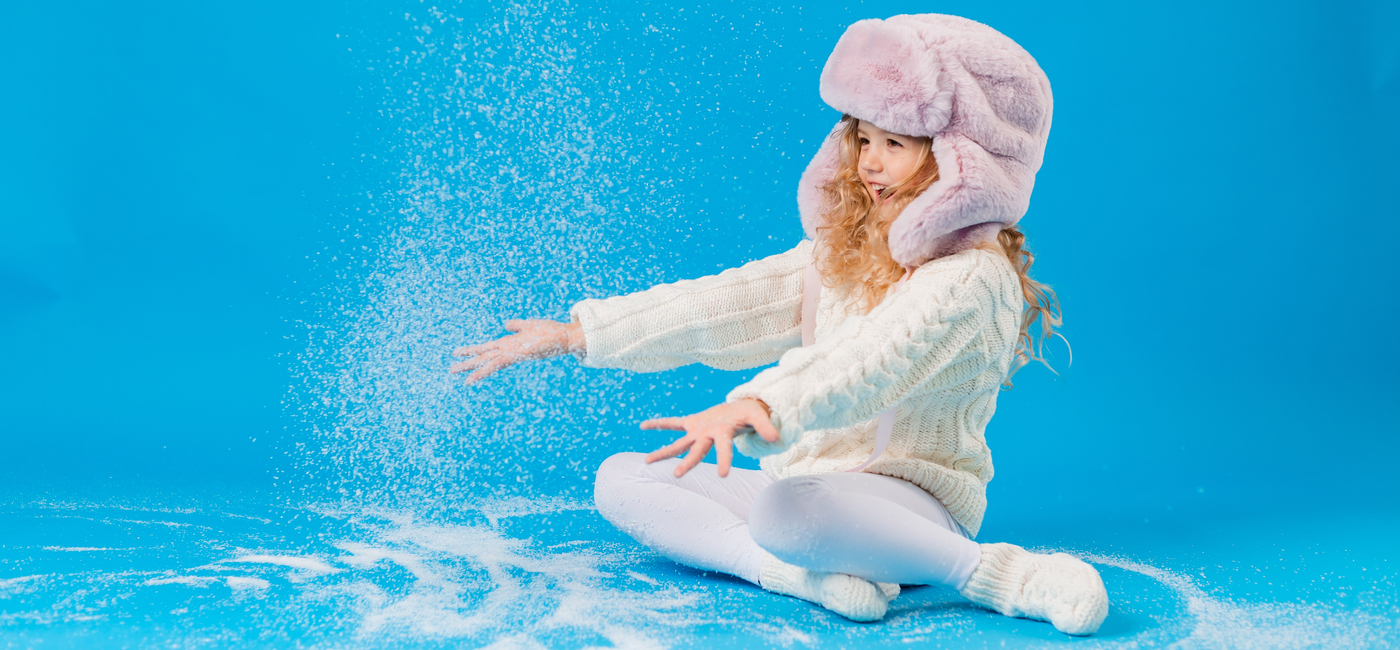
Cold weather activities often attract children because snow offers unusual textures and many opportunities for creative play. Artificial snow play activities became popular as a way to recreate some of the same experiences indoors or during periods when natural snowfall is unavailable. These activities combine sensory exploration, imagination and physical interaction while using specially designed materials that expand when mixed with water.
What Is Artificial Snow for Play
Artificial snow for play is a material that changes its look when moistened with water. The dry powder takes on moisture and puffs out into a soft white stuff that looks like real snow. Depending on the product, the final texture can be fluffy, cool and easy to shape by hand.
Many modern products are designed for children’s sensory activities. Manufacturers often emphasize ease of preparation, ease of cleanup, and materials that are appropriate for supervised play environments.
The process usually requires only a few minutes. Water is mixed with the powder, and the material gradually transforms into an expanded snow–like substance. Children often enjoy watching this change because it feels almost like a science experiment.
Several characteristics make artificial snow appealing
- Soft and realistic texture.
- Easy preparation with water.
- Suitable for sensory exploration.
- Can be used indoors or outdoors.
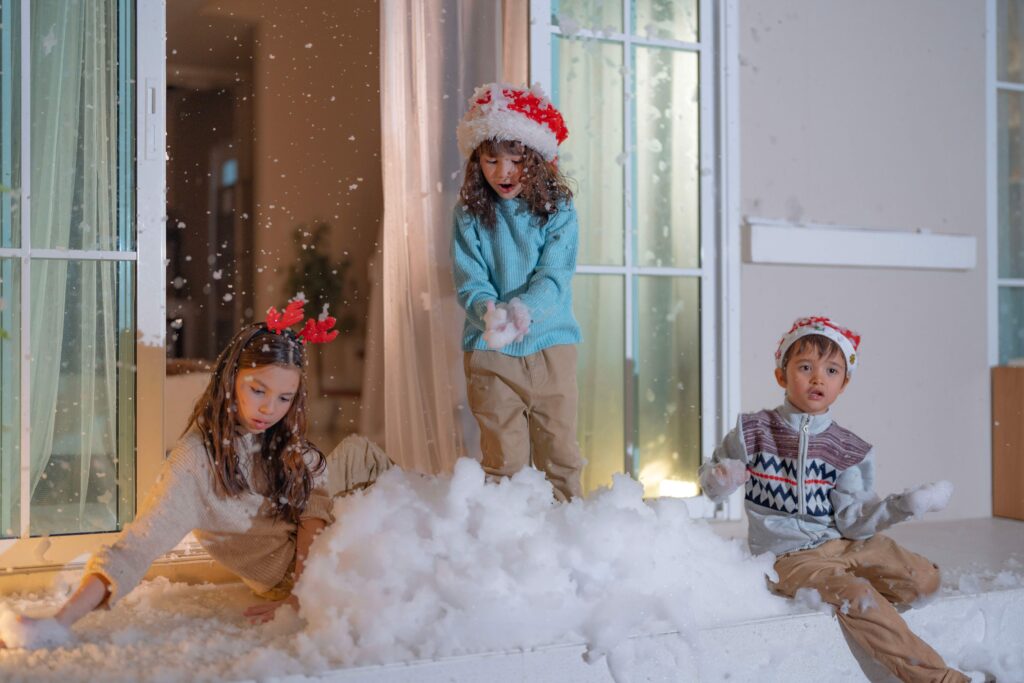
Sensory Benefits of Snow–Based Activities
Sensory play provides opportunities for children to experience different textures, temperatures, and physical properties. Unlike many traditional toys, children can squeeze, shape, scatter, and rebuild the material over and over again with artificial snow, providing experiences that are different.
Cold water makes a cool feeling, which may improve realism and cause curiosity. Children often compare the texture to real snow, sand, foam or other materials they already know. Such comparisons also help build observation skills and descriptive language.
Fine motor skills can also be practiced through snow–themed activities. Children scoop material, mix it, squeeze it and shape it with hands. These movements help coordination develop over time. Younger children often enjoy simple exploration.
Another advantage is the flexibility of this material. Same snow can be used in many different ways. Some children prefer storytelling and pretend play. Others spend more time building objects or trying different ideas. Because of this, activity can look very different from one child to another, even when the same material is used.
Creative Ways to Use Artificial Snow
Artificial snow can become part of many educational and recreational activities. Simple household items often provide enough materials to create engaging experiences.
Popular activity ideas include:
- Building miniature snowmen.
- Creating winter–themed landscapes.
- Practicing scooping and transferring activities.
- Organizing indoor snowball games.
- Hiding small objects for sensory searches.
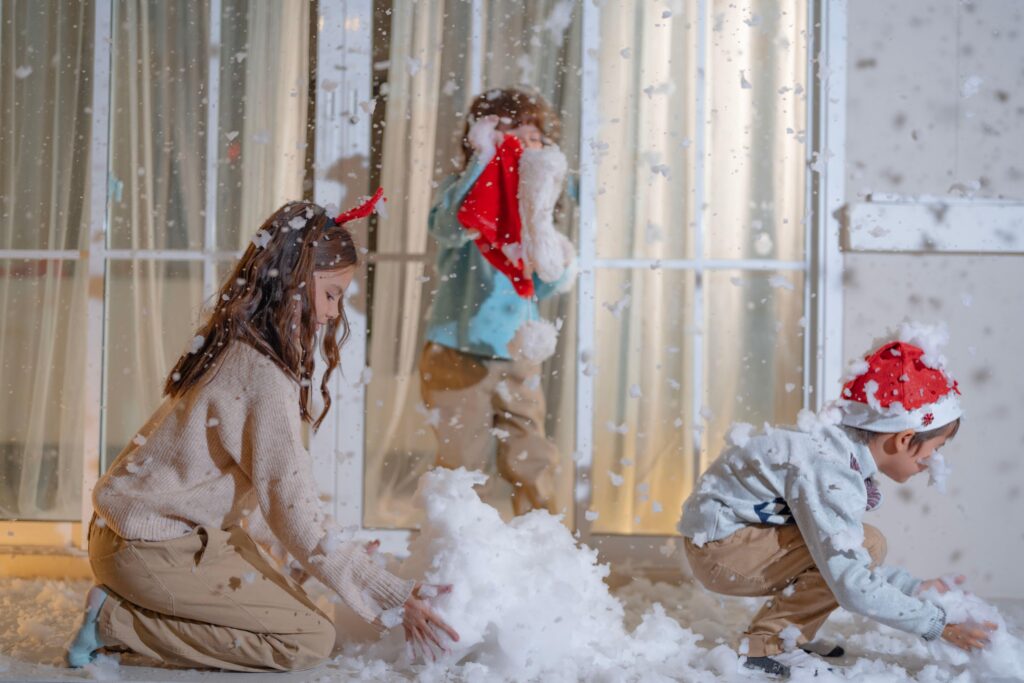
Indoor snowball games are especially popular, since the material can often be formed into light balls. There are no frozen hands or wet gloves like real snow, making the activity more comfortable in many situations.
Kids also enjoy comparing different ways of preparing. Small temperature differences in the water or mixing the ingredients differently can create different textures and that can be an easy learning experience.
Safety and Supervision Considerations
Artificial snow products are intended for use in children’s activities, but adult supervision is still important. Support may be needed in preparation, and supervision of sensory materials is essential for younger children.
Follow manufacturer instructions prior to use to help ensure proper preparation. Usually age guidelines are derived from safety testing and expected developmental abilities.
Parents and educators usually take several things into account before they start an activity. The play area should be easy to clean, and materials should remain within recommended use guidelines. Large bowls or containers are often useful, as the mixture can increase quite a lot after water is added.
Product–to–product storage and disposal instructions may vary. Some materials will break down naturally over time, while others require special disposal. By following the product guidance, you are kept safe, and the environment is protected.